
A while ago, in February, I applied for Birthright, where I would experience an incredible journey to the land where my heritage came from, discover the culture, history, politics, landscape, and people, and better understand Judaism. A few months after being interviewed, I got accepted and then shopped for items that I would need for the Birthright trip. When Sunday, July 22, arrived, I woke up, made sure I had everything, left my apartment, and drove to JFK International Airport.
As soon as I arrived, I looked for my group, called Taglit #558. After finding them, I was greeted by other people; they looked like they were the same age as me or still in college. One of the staff members, named Isabel, called our names, and we received name tags and were told to check in at El-Al Airlines. Before I checked in my luggage, a member of El-Al Airlines asked me security questions, such as where I lived, if I went to my local synagogue, if I spoke Hebrew fluently, why I was going to Israel, if I had I ever been to Israel, etc. All these questions were asked when I was being interviewed for Birthright, too. After checking in, I got in line for a security check. While waiting, I chatted with a few new people—Sam Stone, Sami Sininsky, and Dyllan Taxman—who were going to the same birthright as I was. We were getting to know each other pretty well as we waited. After passing security, we waited for some people to pass through and agreed to get some breakfast. As we were heading to our gate, I looked through the window to see our plane. I witnessed how humongous the plane was, and it was almost the size of an Air Force One.
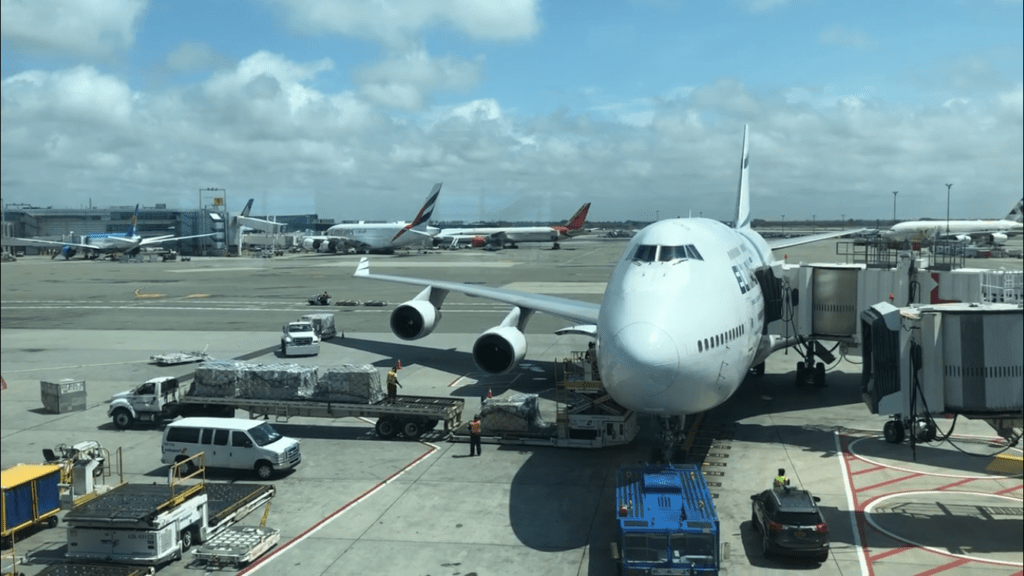
After waiting for a few hours and meeting other people who arrived, we met Isabel Schneider and another staff member named Jackie Schechter. After my group got on board, I sat with Brian and Jacob Chalif, who were twins from New Hampshire. Then when the plane finally flew, I was excited to head to Israel, except it was a ten-hour flight.
Day 1—Haifa, Israel
Finally, I made it to Israel. After going through customs and security, and getting my luggage, my group and I met our tour guide named Irad Fenichel. Irad told us where to exchange our money to shekels (Israel’s currency) and where to meet the bus driver. I wasn’t sure how much my money was worth, and the person at the counter handed me 600 shekels from the $200 that I handed him. As I got on the bus with everyone else, Irad told us where we were heading first—and it was Haifa—but first, we got breakfast at this local diner, and they served us coffee, fruit, hummus, pita bread, eggs, and other goodies. Next, we drove off to a beach. When we got there, everyone was to form a circle as Isabel and Jackies handed us small plastic cups, and Irad poured us some grape. (During the trip, one of the rules strictly indicates that we can’t drink alcohol on the trip, but the only exception is when we are heading out to certain cities for the night). After we made a toast, we were given 15 minutes to look around the beach. Of course, during my 15 minutes of time, I photographed the beach. The beach had the most beautiful colors compared to the Caribbean’s blue ocean. The ocean felt refreshingly warm, with its shiny and bright teal and a little bit of dark navy blue, and the light beige sand felt smooth and soft.
Afterward, we headed to a garden with beautiful and colorful flowers, and Irad gave us a little history of the place, giving us carob, a plant that tasted like dark chocolate, and formed a circle again to have everyone introduce themselves and play a rock-paper-scissors tournament.
Later, around 3:00 p.m., we made it to our first hotel in which we stayed for two nights called The Royal Plaza. I shared a room with Denis and Will. We got along pretty well, except the room was pretty…small. Later that night, I hung out with some people; we had a few drinks and played a few games.
Day 2—Haifa, Israel
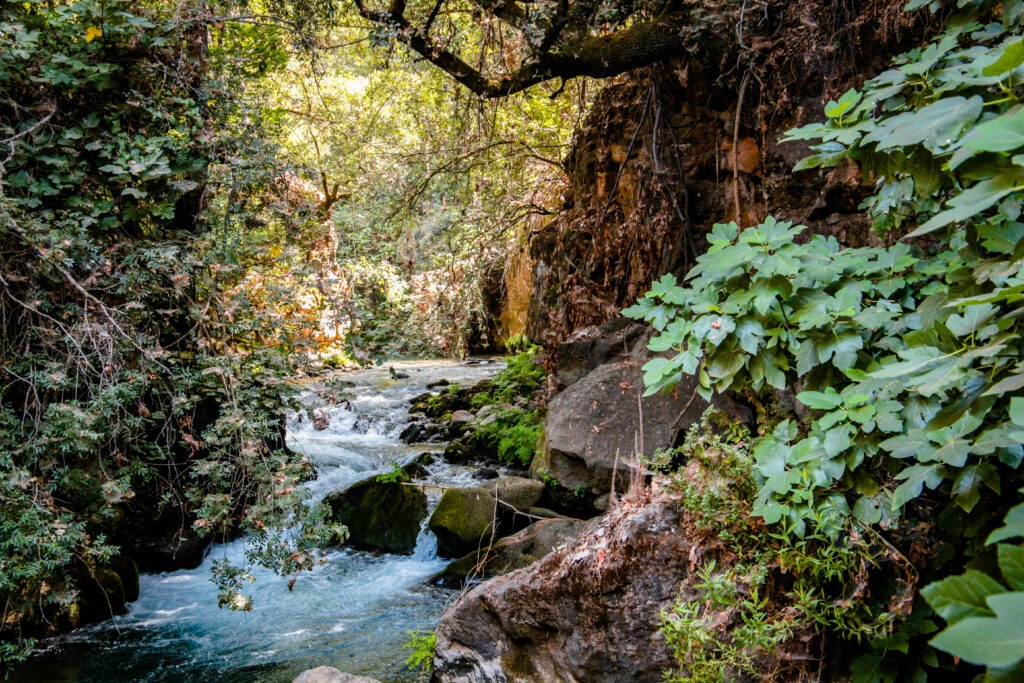
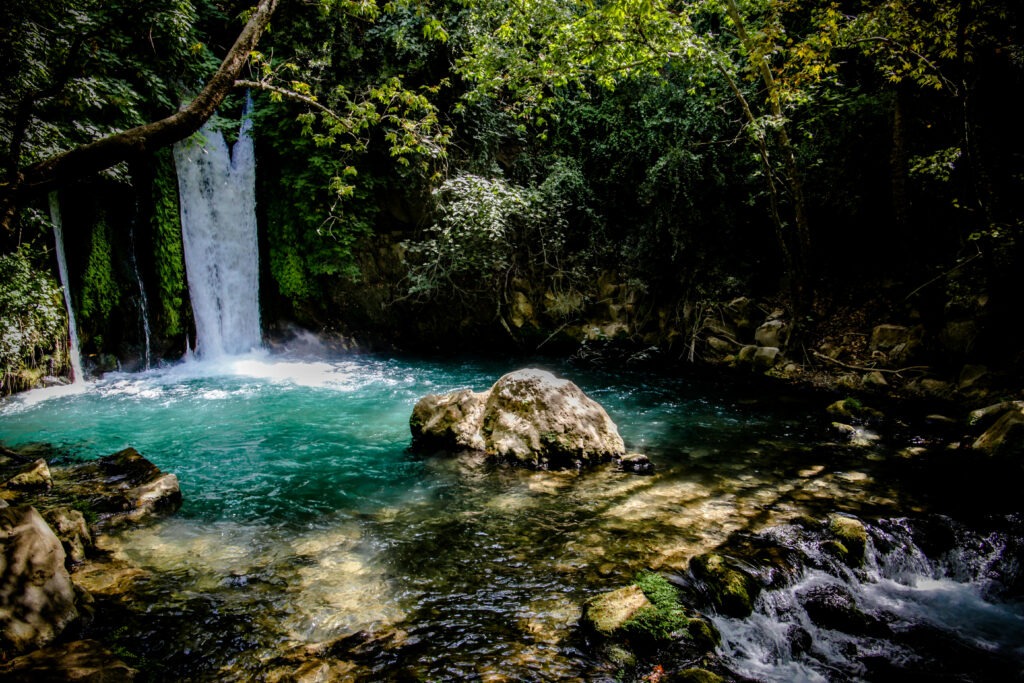
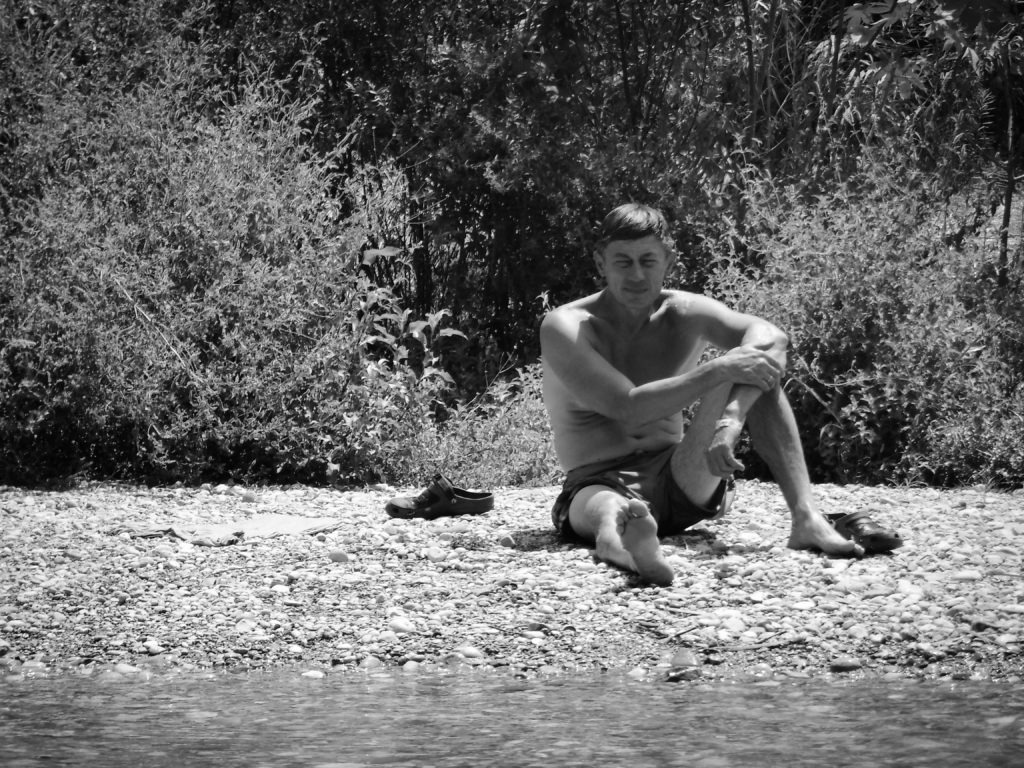
The next morning, we all got on the bus and headed to a canyon for a 2-hour hike. The best way that I can describe the area was that it was dry, the heat was over 90 degrees, it had solid and sharp rocks, and a large number of trees were scattered throughout the area. Throughout the hike, there was a beautiful water stream and a large waterfall pouring cool and refreshing water. Irad gave us a history lesson about the canyon, and how this water is the most important water source, and if an enemy cuts off the stream, Israel will have to go war. Later, we went river rafting on the Jordan River. I grouped up with four other people named Rudy, Bryan, Matt, and Christopher, but everyone calls him Topher. River rafting was purely relaxing and chilling. I was hoping there would be wild animals, but unfortunately, there were none. Luckily there were locals in the area, and we took some pictures by the beach or the edges of the river.
We all headed back to the hotel for the night. We ate dinner, drank, played some games, and got to know each other more.
Day 3—Moshav, Israel
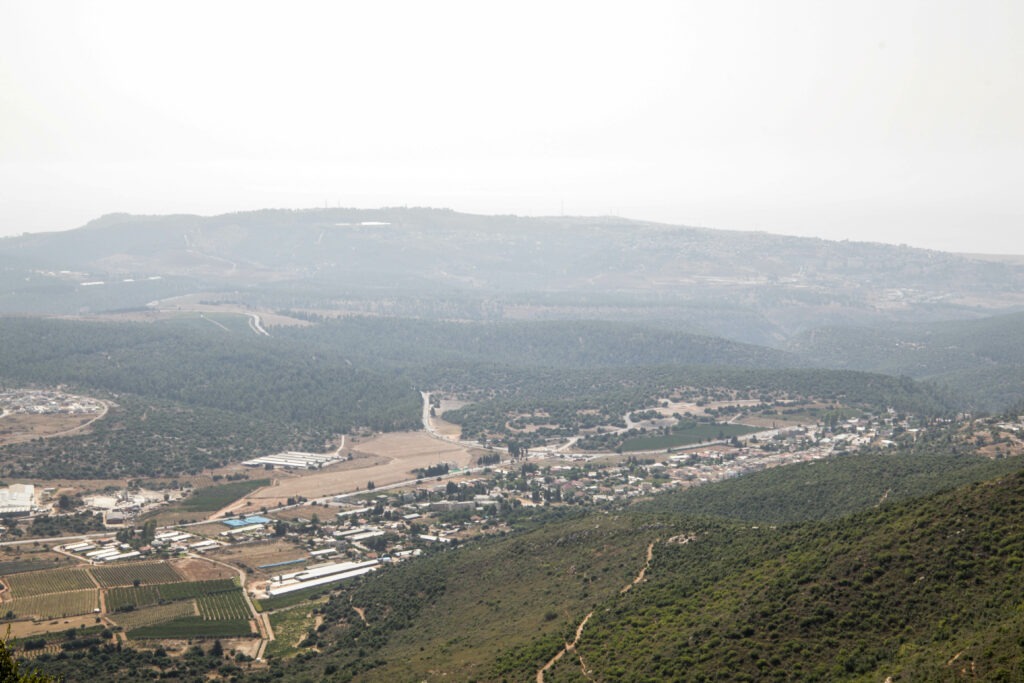
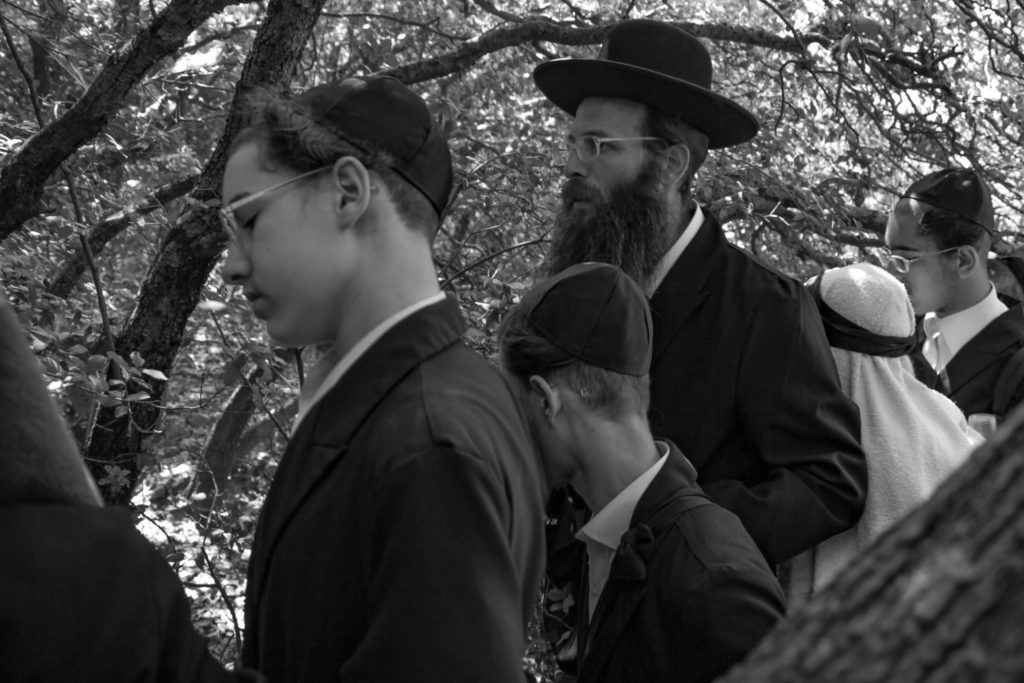
As we packed our bags and headed out to the next city, we went on a morning hike to Kfar Hoshen in the northern district of Israel, the closest land to Lebanon. We arrived around 9 a.m. and walked our way up to the mountain. As Irad explained throughout, this mountain is another base monitoring the sky, controlling the air, and checking for missiles in the sky. As we climbed further up and up, we spotted small Orthodox Jewish kids on our path, and as we were passing by them, the kids started to jump into the bushes and say, “Excuse me.” We had no clue what they were apologizing for until Irad told us that in the Orthodox rules, boys aren’t allowed to see women’s or girls’ shoulders or knees until marriage. We know nothing much of Orthodox Judaism, and Irad lectured about the Orthodox traditions. Then we took a break and went to this bunker hill and saw metal art sculptures. Irad explained that if you look very close between the sandy roads and dry grass, you’ll able to see the borders of Israel and Lebanon.
Day 3—Tzfat, Israel
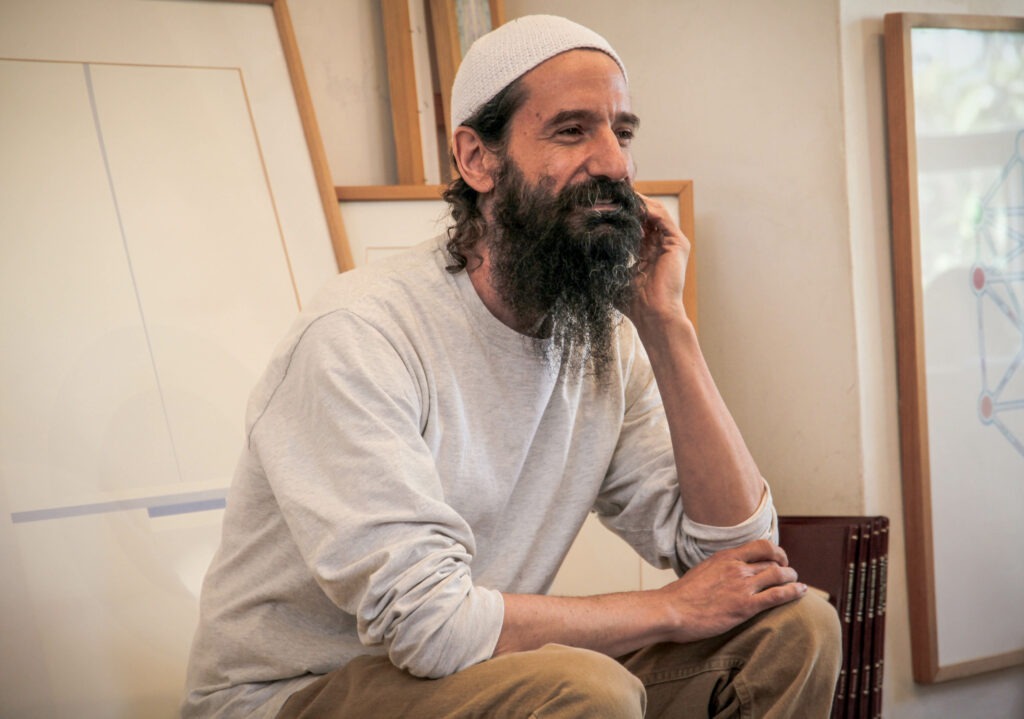
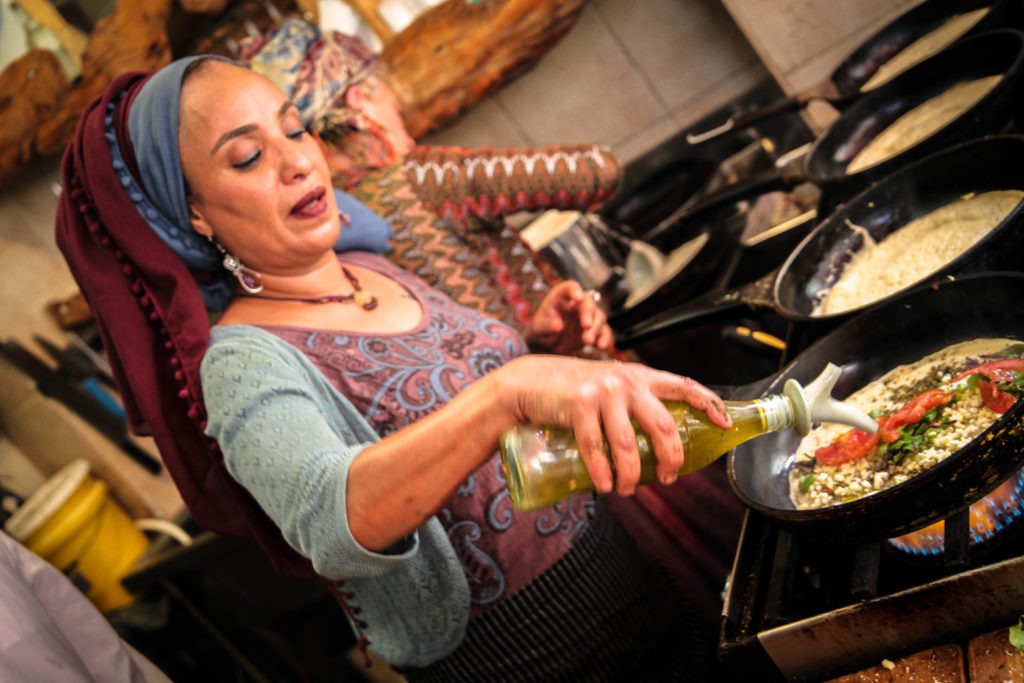
Afterward, we headed to another city named Tzfat. We were given a chance to take a break from walking all morning and meet back at the spot to meet a famous graphic designer at his house. As we walked through the city, it came to my mind that the city is like a maze, and every corner is either a dead end, another street corner, or a path leading towards another market. As we arrived at the designer’s house, we were asked to take our shoes off and sit in front of him. He introduced himself and told us that he was an American from New York who moved to Israel about 13 years ago. He talked about why he moved to Israel, how he studied in Israel, and how he became a famous graphic designer in Israel. His designs are based on the scriptures and passages from the Torah, and he either draws them digitally or hand-draws them. Coming from a kid who studied graphic design, I can see how much detail, depth, and creativity is needed in making unique designs for art. After saying good-bye, we all ate at a Lebanese restaurant where we ordered delicious spicey and sweet shoarma wraps, and then, we went shopping.
Day 3–Tel-Aviv, Israel
We got onto a bus again, and Irad told us that it was going to be a six-hour drive to Tel-Aviv. We left Tzfat at around 3 pm, and when I woke up from a long nap, we had made it to the city. It was dark, and we stopped at The Deborah Hotel for the next two days. As we got in, the place seemed average, and when we tried to call the elevator, it was small, and it could only carry 3 people. Half of the group had to take the stairs, and the worst part was that our rooms were on the 8th floor. As I waited with my roommates for the next two nights, I paired with Dennis again and Brian Chalif. We left our stuff in the rooms; ate bland, average food; and got ready to head out to the city. We headed to the main streets of Tel-Aviv, and we all drank a lot during the night.
Day 4–Tel-Aviv, Israel
The next morning, I woke up a little hungover and got ready to meet our Israeli peers, who are IDF soldiers. When we met all of them, we asked them simple questions, such as “What is your favorite hobby?” “What is your favorite food?” “What is your favorite American film?” and “What is it like being in the IDF?” Then we got onto the bus and headed to the beach, which reminded me of the beach in Santa Monica, CA. We stayed at the beach for nearly two hours, soaking up the sun, burying our feet in the sand, and taking dips in the cool refreshing seawater. At noon, we went to the market area to find something to eat. Later we looked around and explored the market area or what Irad liked to call a “shopopportunity.”
We then met at the center of town where we could enter the Independence Hall. We learned how Israel was formed in 1948 and whose idea it was to create a state and form a society where Jewish people live and expand their culture, politics, society, laws, and religion. Then later, we headed to the technology building/stock exchange, where we were given a tour around the building and told how Israel is becoming the fastest growing country with more entrepreneurs and inventions than Silicon Valley.
After leaving the building, we then headed to the capital of Israel, Jerusalem, and stayed at a hotel named The Golden Jerusalem.
Day 5—Jerusalem, Israel
Today was a special day during birthright, for it is the most important day of all. We left the hotel around 8:00 a.m. and went to see sites in Jerusalem. We saw the whole landscape of Israel, from the wall, the second synagogue, and the city itself. Irad gave us another brief history lesson about Jerusalem, and as we entered the city, it felt completely different by way of the main gates. As I observed the city, I saw that every corner and building was made of concrete bricks and rocks. There were temples and Orthodox Jews praying and studying everywhere. The architecture of the city was phenomenal, and we walked different pathways, valleys, and routes, taking us everywhere from shopping districts to rooftops. Once we got in a line of security and made it through, we managed to look upon the wall in Israel. Jackie and Isabel gave us tiny slips of paper so we could write whatever we wanted and pray it upon the wall. Irad told us that men and women are separated when praying, the reason being that it is a courtesy to women and that their prayers must be respected when approaching and praying at the wall. He also told us that we could line up to choose what to wear while praying. I choose to wear the tefillin and the rabbi helped wrap the around my arm and head. As soon I got to the wall, I started to think about the journey throughout Birthright, my grandparents passing away and how proud they would be if they are still here today, and my desperate struggle of becoming a news photographer and how it’s not doing well. But, after praying and thinking about the future, I started to get emotional and finishing praying at the wall and took photos.
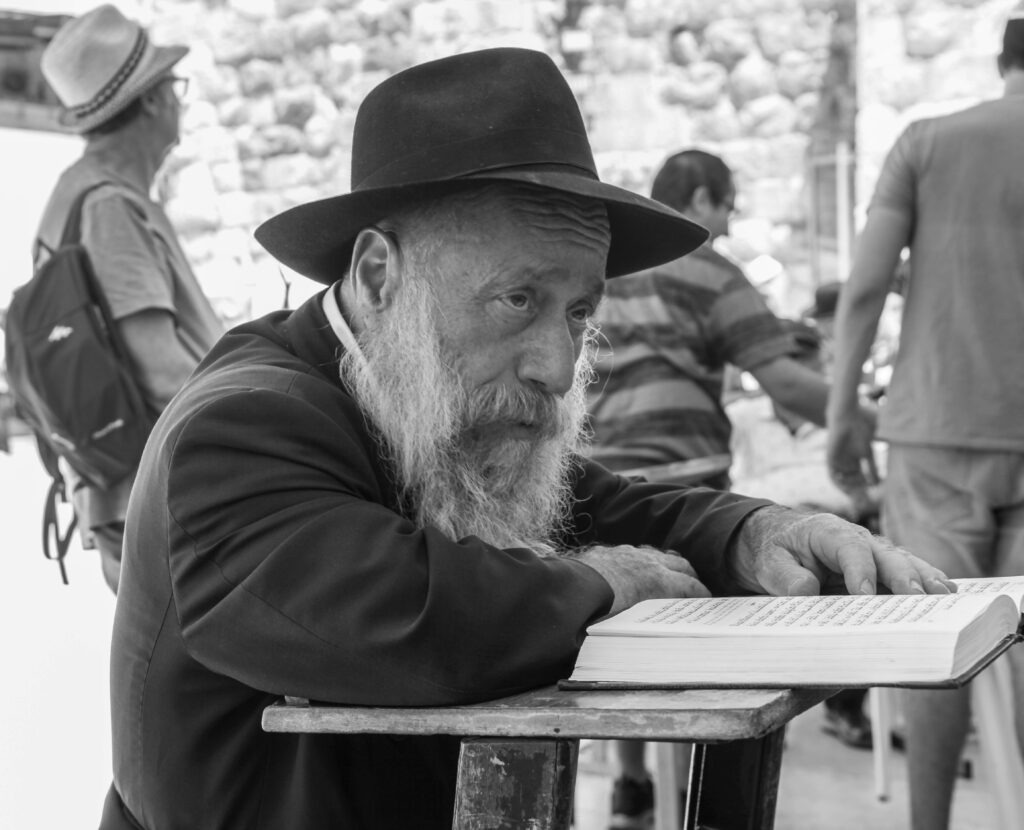
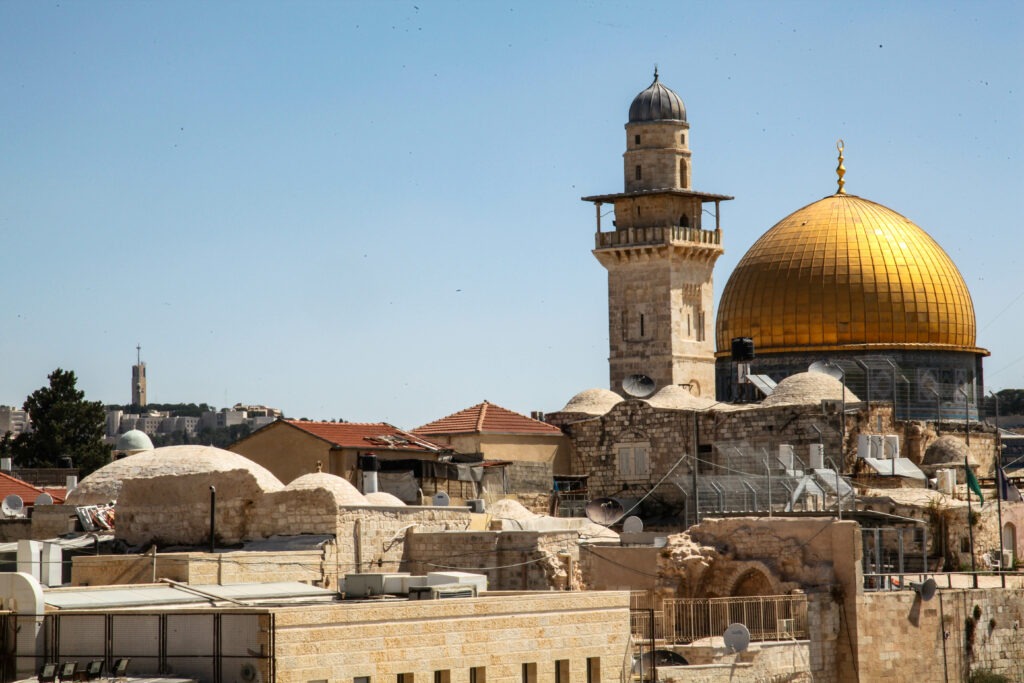
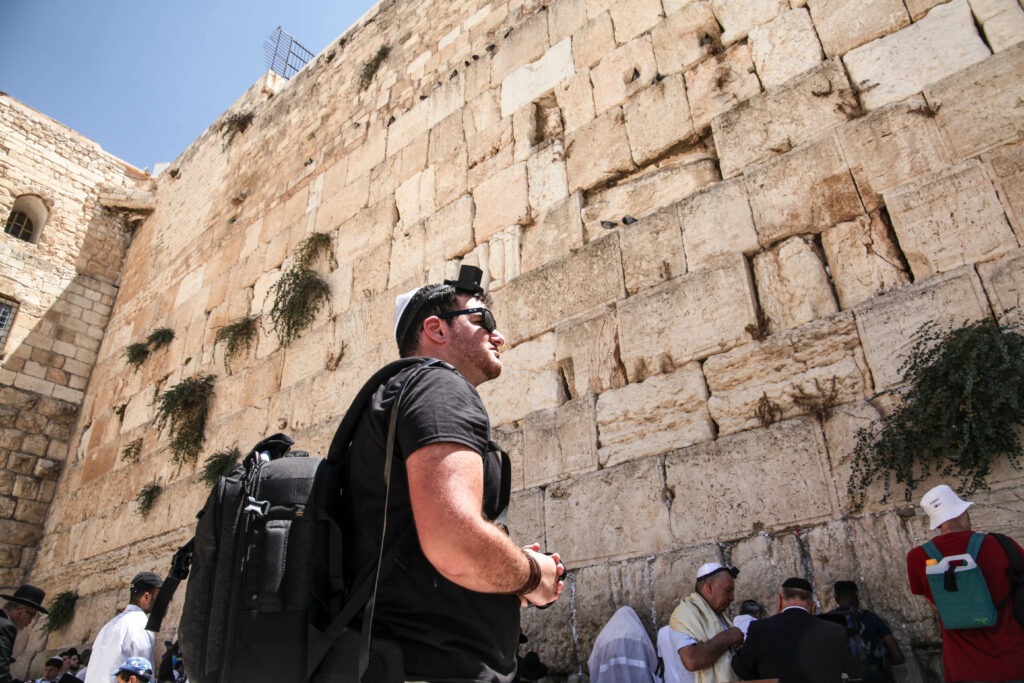
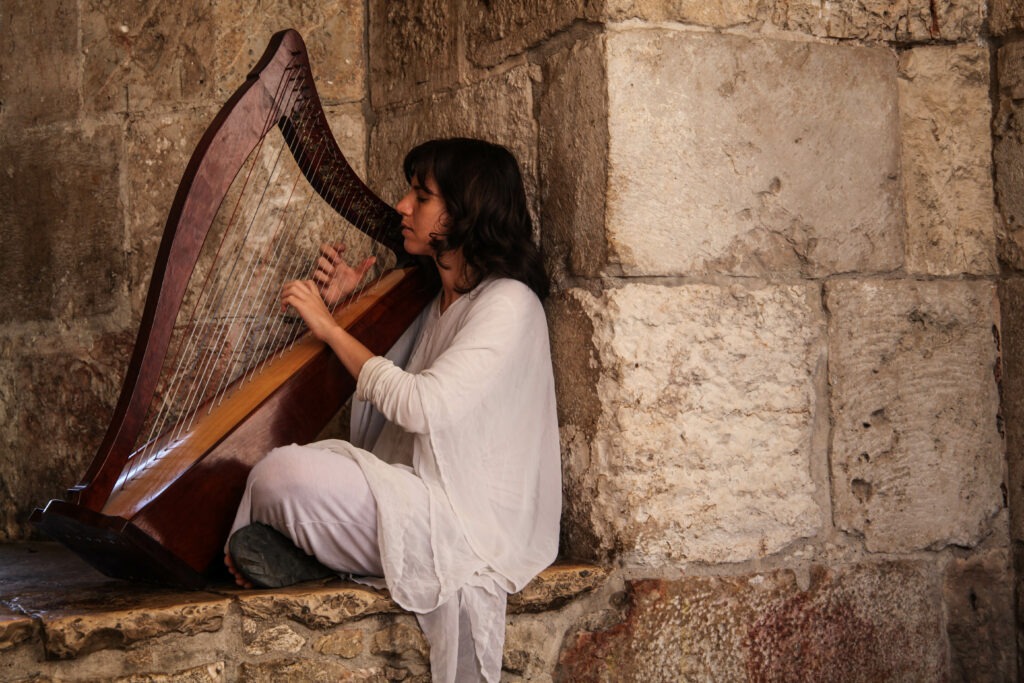
After a long and amazing experience of entering Israel, we headed to a shopping district to buy some stuff and headed back to the hotel, celebrate Shabbat, drink, play games, and hang out at the hotel.
Day 6- Jerusalem, Israel
The next day was the Sabbath, which is on Saturday. We were going to see the Dead Sea Scroll at a museum, and as walked towards the museum, the whole entire city was quiet. It was 9:00 a.m. when we left the hotel, and there were no cars, not a lot of people walking outside, nor noises, as if the entire city was a ghost town. As we got to the museum, Irad gave us two options: explore the art and sculptures or go see the Dead Sea Scrolls. Most of the group decided to see the Dead Sea Scrolls. We explored the museum for about two hours, then walked back to our hotel because we were going out in the city again that night. After dinner, everyone freshened up for the night as if we were heading to a house party, and we headed back to the shopping district. We’d been told that every night on the Sabbath, certain bars and restaurants. As soon as we entered the building, things were getting wild. If I were to describe the night I had, I would say it was as if we were in a big fraternity with loud music and lots of alcohol and dancing. It was probably the best night I ever had.
Day 7—Jerusalem, Israel
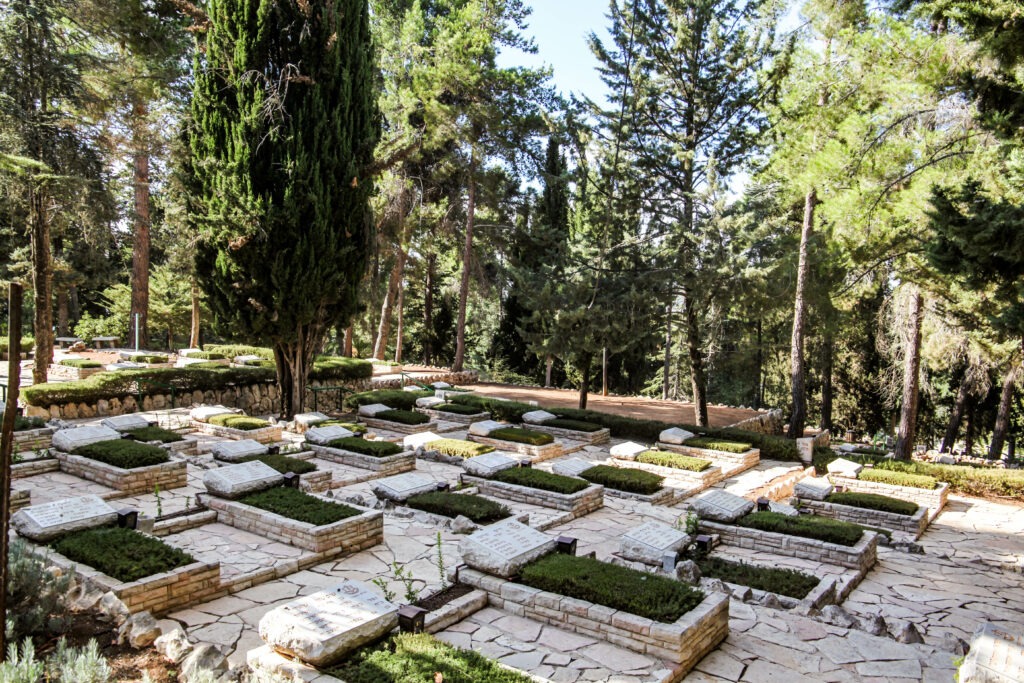
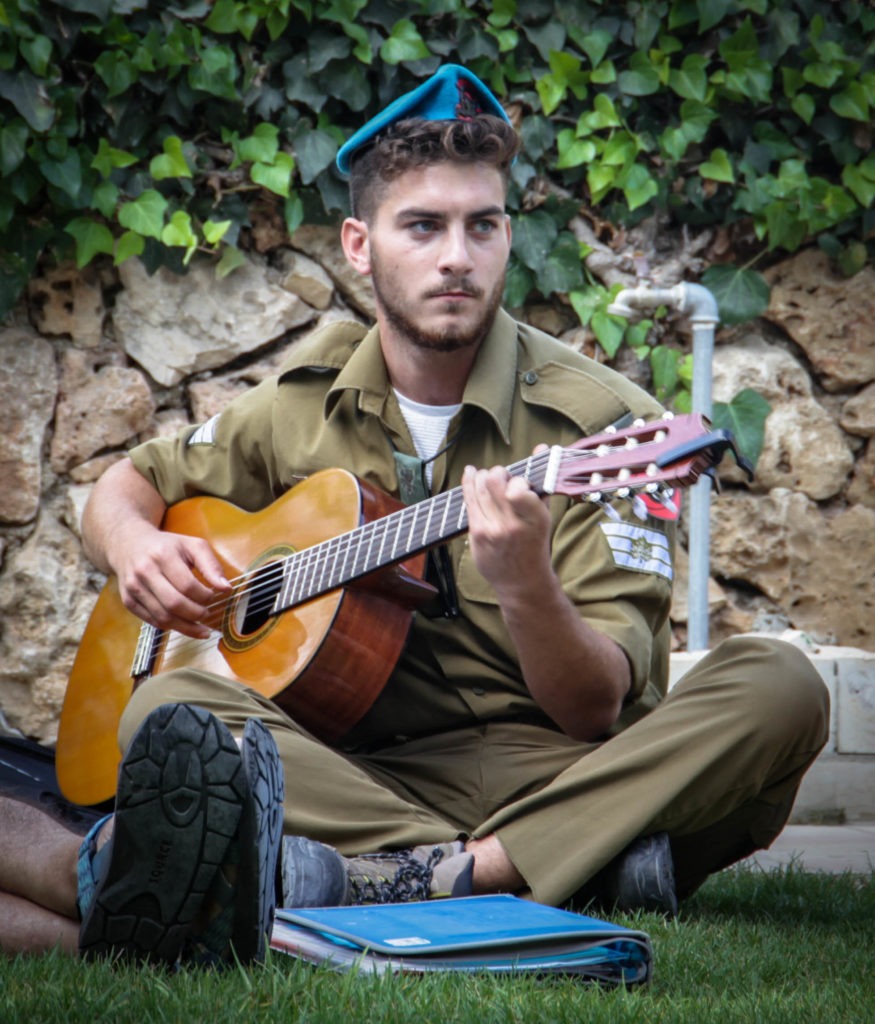
Today was another important day. We headed to two different important landmarks in Israel: the Holocaust Museum and a memorial site at Mt. Herzl of fallen Israeli soldiers and Theodor Herzl. Before we left, our Israeli peers put on their uniforms in order to show respect to the people who died in the Holocaust and the fallen soldiers who died in the army. When we got to the museum, Irad showed us around, and when we respectfully listened to the stories and history of the Holocaust, we began to learn more of our history and the darker tales that we never learned at school. After spending the whole morning at the Holocaust Museum, we headed to Mt. Herzl; our first destination was the gravesite of Theodor Herzl. The reason he has a respectable gravesite is that Herzl was the person who had a vision where he saw Jewish people living in a country where they were free and had a place called home. Then, Irad led us around the area for a little longer until he showed us two Americans, one from New York and the other Philadelphia. He explained the history behind these two soldiers, when they were kids who just graduated from high school and how they both loved to serve in the IDF for Israel and then became best friends. The Israeli’s respected them until they were killed in action. It was a sad tale to have us listened to. We then got into a group circle, and one of the Israeli peers, Uri Barzilay, took out his guitar and played John Lennon’s song, “Imagine.” After a long day, we headed towards Massada, which was a 4-hour bus away from Jerusalem.
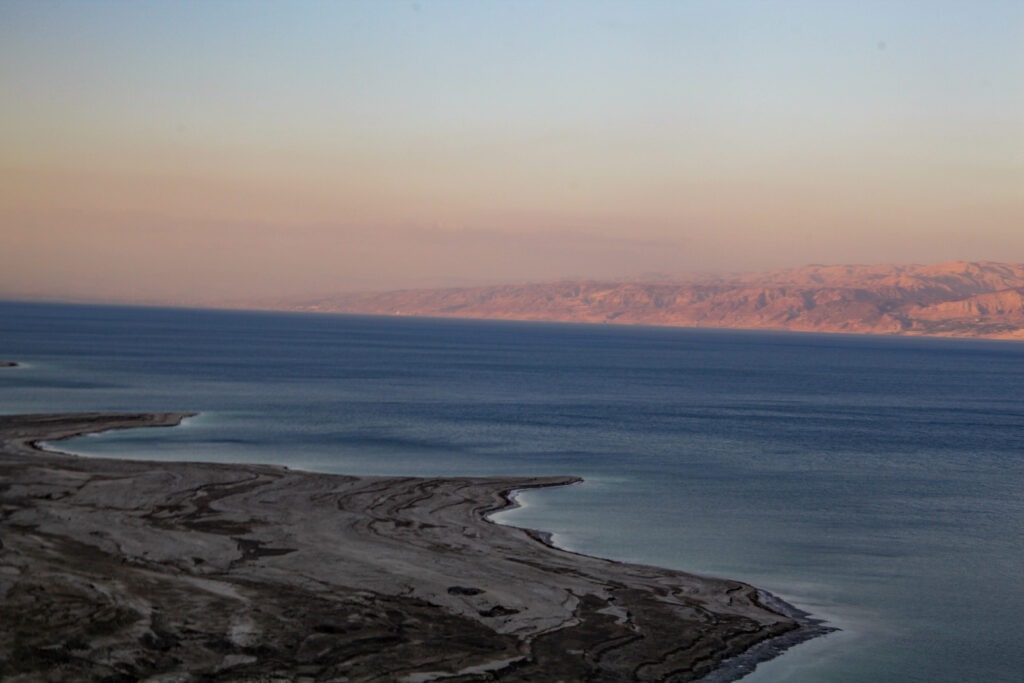
As we rode up north, we noticed the landscape was dry and filled with sand and high mountains. Just then, I noticed the sun was setting and saw the Dead Sea on my left. I quickly took a few pictures of the sunset by the Dead Sea until it got dark. We arrived at our hotel and got something to eat. When we got to our rooms and rested up, Irad told us to meet at the lounge. We all had to wake up by 3:30 and leave the hotel by 4:30, for we are climbing up Mt. Massada next. He told us we needed to travel light, completely fill our water containers, wear light clothing and hiking sneakers, and pack only things needed tomorrow. Also, on the same day, he told us we only needed to pack clothes for one day and night, as we were going to sleep in the desert and visit a nomadic tribe.
Day 8 — Masada, Israel
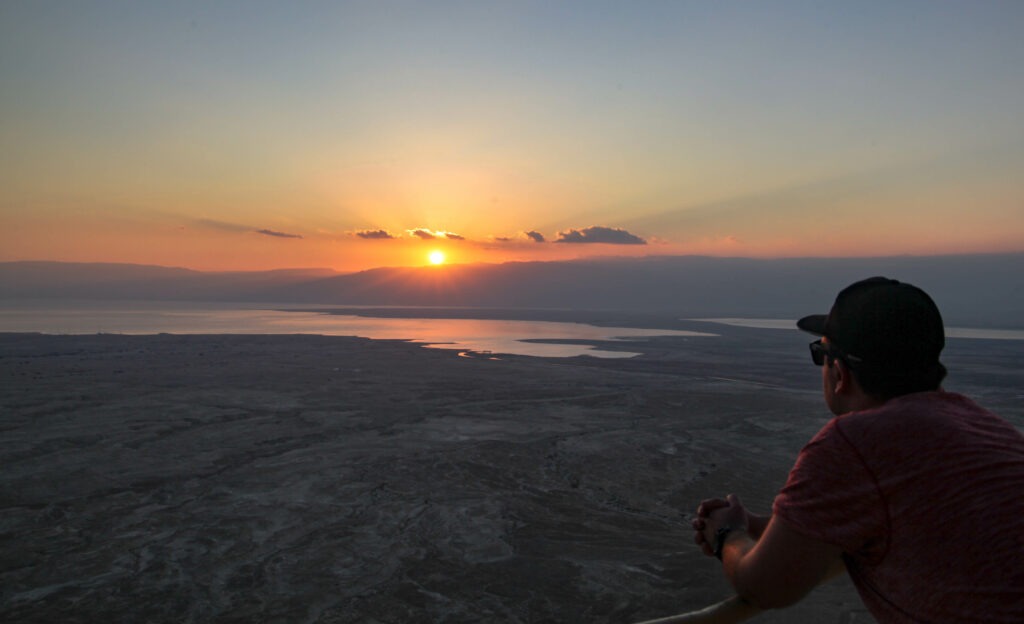
It was 3:30 a.m., everyone was up, it was still dark, and the moon was still visible. We packed our bags and essentials for the day and headed out to the mountains. We were all still tired and sleepy. By the time it was 4:30 a.m., we had arrived at our destination, and we could barely see the mountains as it was still dark out. I immediately took my camera out, taking pictures as we walked to the mountain. On the path, I realized that it was going to be difficult to walk up because I had never climbed or walked up a mountain before. By the time it was 5:30 a.m., I had made it to the first resting point of the climb. It wasn’t bad at first. I took a small sip of water, and, when I looked over the edge, I was amazed by how far up I was—and I was nowhere near the top. I continued walking. It was now 6:00 a.m. When I was at the halfway point of the climb, I started to feel light-headed, and my feet still hurt from the blisters I had gotten two days ago. I stopped and took a breather to relax. Sweat was pouring through my glands, and after I took big gulps of water, I started to feel weird and exhausted. Tomer checked me to see if I was sick. I wasn’t sure of what my ailment was, but I told him it might be altitude sickness from the climb. He told me to rest for a few minutes. As I rested, I watched some members of the group pass by and saw that some had already reached the top. As soon as I started to feel a little better, I noticed that the sun was rising on the horizon. Night was about to become day. Stars were disappearing from the sky. The air was becoming warmer. And the colors that spanned the sky to the sea were mesmerizing. The sky was burning with red, purple, orange, and yellow colors, while the land was becoming bright and visible to see, and the sea was beyond colorful to describe. Even though I was suffering from altitude sickness, the climb up the mountain was worth it and was breathtaking. Continuing on my painful and difficult climb up the mountain, I felt even more light-headed and had trouble breathing. Tomer and Isabel checked on me again, and Tomer handed me his water. I stopped, and I started to see everyone already reached the top. I was the anchor of the whole group. By that time, it was 7:00 a.m., and I made it to the third checkpoint. When it was 7:30 a.m., I made it to the top. I met up with the others, resting by a little hut and getting water. I checked on feet, and my right foot was worse than my left. I asked Tomar for any healing cream, and I put it on an ankle bracelet on my right foot and normal bandages on my left.
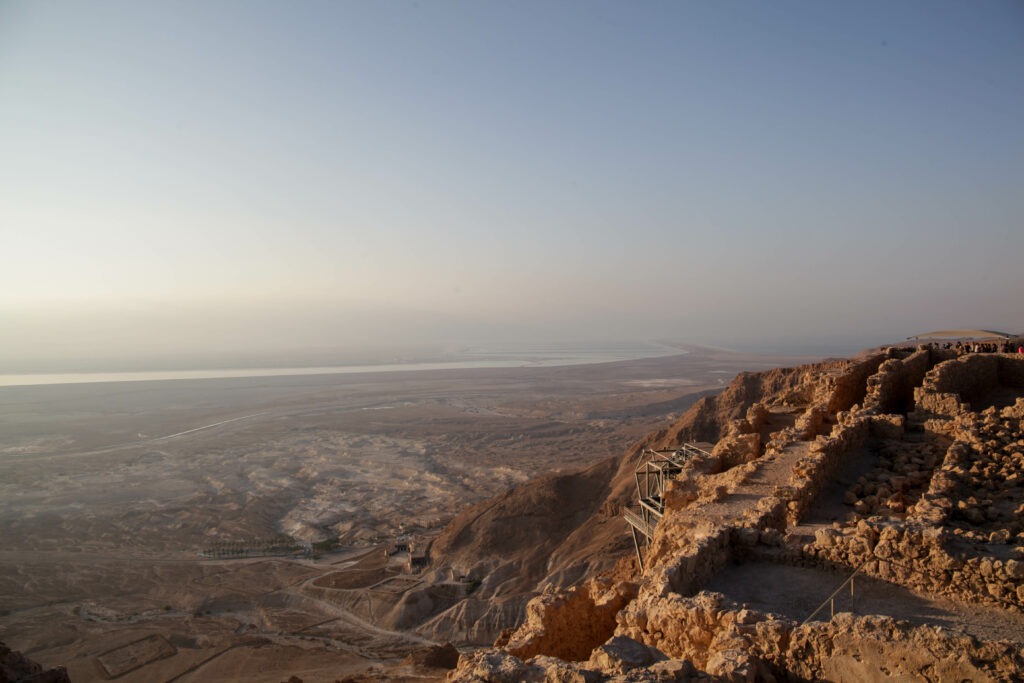
When everyone was catching their breath and taking a short nap, Irad gave us a history lesson on how Mt. Massada used to be a small fortress where people were to live in solitude and peace, until the Romans charged up the hills and tried to claim the fortress. Then, we had a short mitzvah for some people who wanted another mitzvah and decided to head back down. I told them my feet were in bad shape and didn’t want to get an infection. So, with a few people, I took the cart down to the main entrance, where we all started and waited for our group for an hour, and we all ate breakfast.
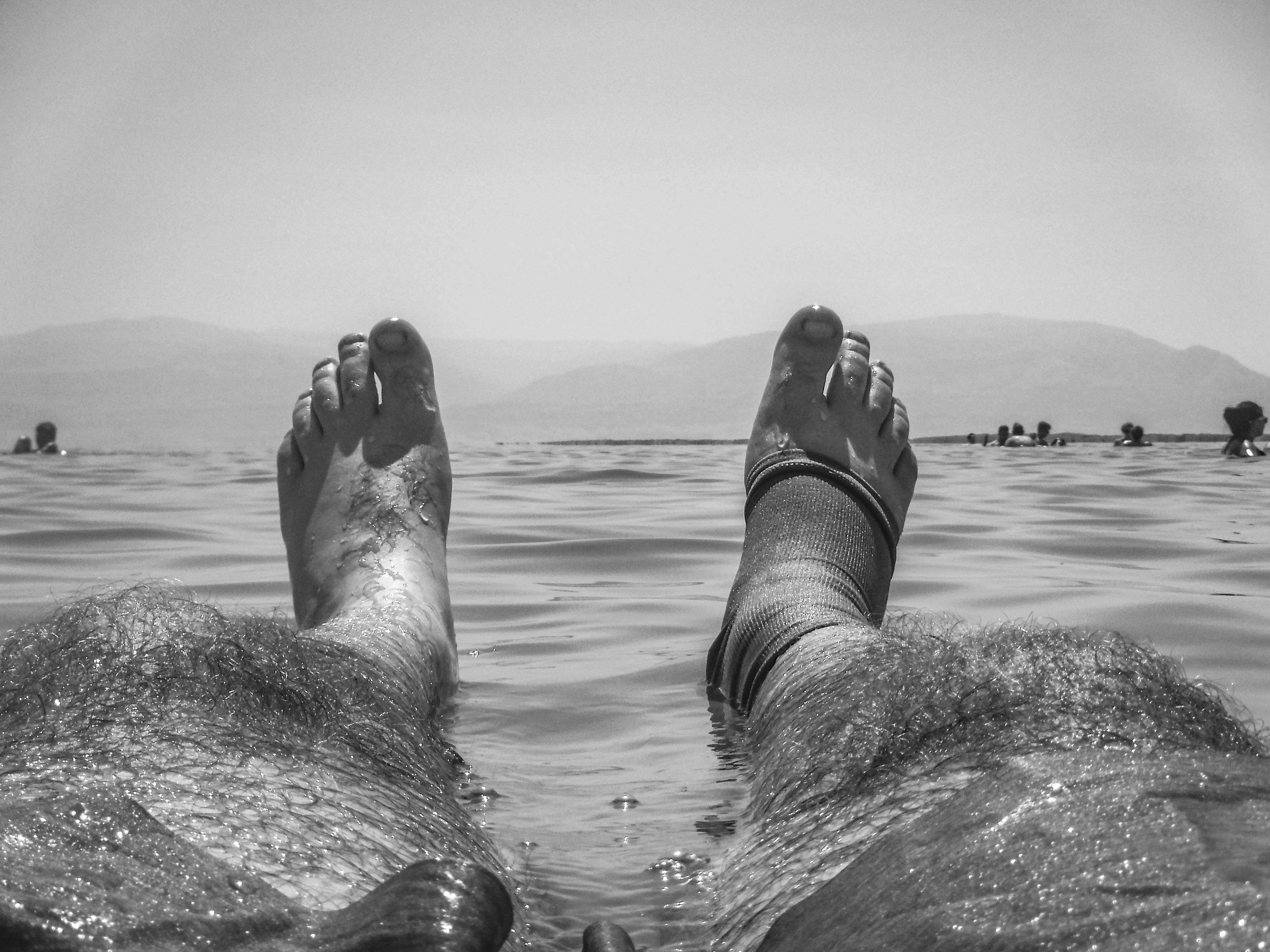
Next, we headed to a popular destination in Israel, the Dead Sea, which was next on our agenda that day. We got to the beach at around 11:30 am, and we changed to our bathing suits. When we found a spot, we all jump into the water. The sea was about 1 foot deep, and I could see my feet clearly through the crystal-clear, blue and green water. I even saw some salt rocks as well, and when I held one on my hands, it was hard, smooth, shiny, and white as snow. But the salt hurt my blistered feet for a little bit. I then floated on the sea for a little while and began looking for the mud that people put on their skin. Unfortunately, to get that kind of mud, you have to go further out in the sea, which we were not allowed to do. But when I got out of the water, I saw a few people in my group covered in mud. I asked, “where did you find the mud?” One of them said, “Oh, you go inside the store and ask for it. It’s only 3 shekels.” I was shocked to find out that you have to buy mud from the sea. It looked like a rip-off and it was a disappointment. If I want to get mud from the sea, then I’ll get it from the sea, not from the store. Another downer was that even though the sea is nice, you float in the sea and relax, and I could’ve done that on the sand, honestly. It was a disappointment, really. Don’t get me wrong, the Dead Sea is nice and wonderful, but it was more of a tourist attraction than being a part of Birthright.
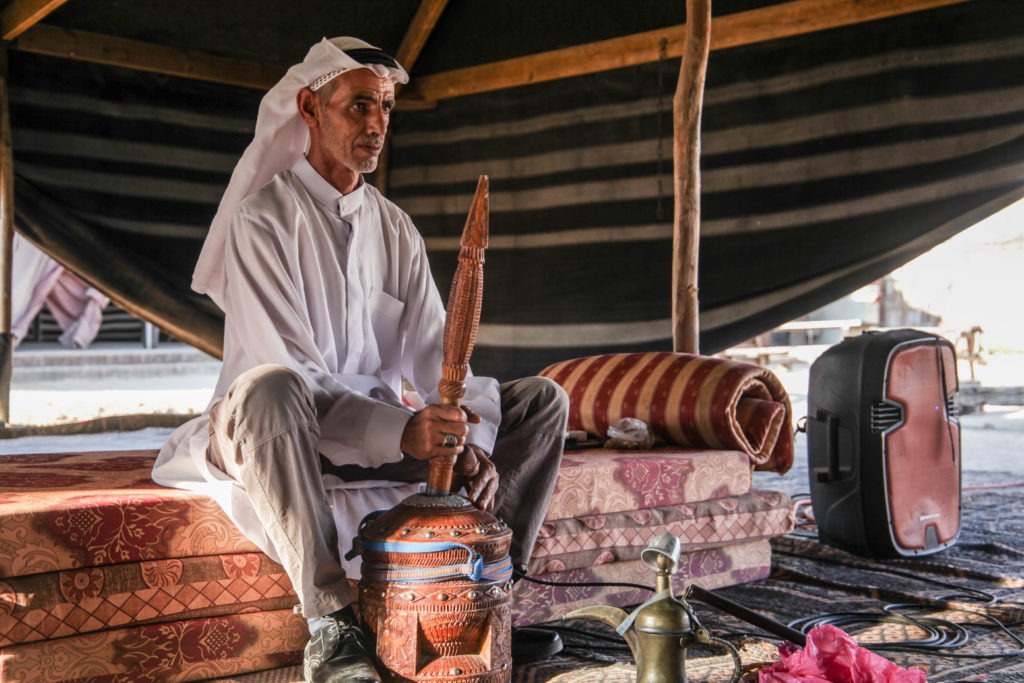
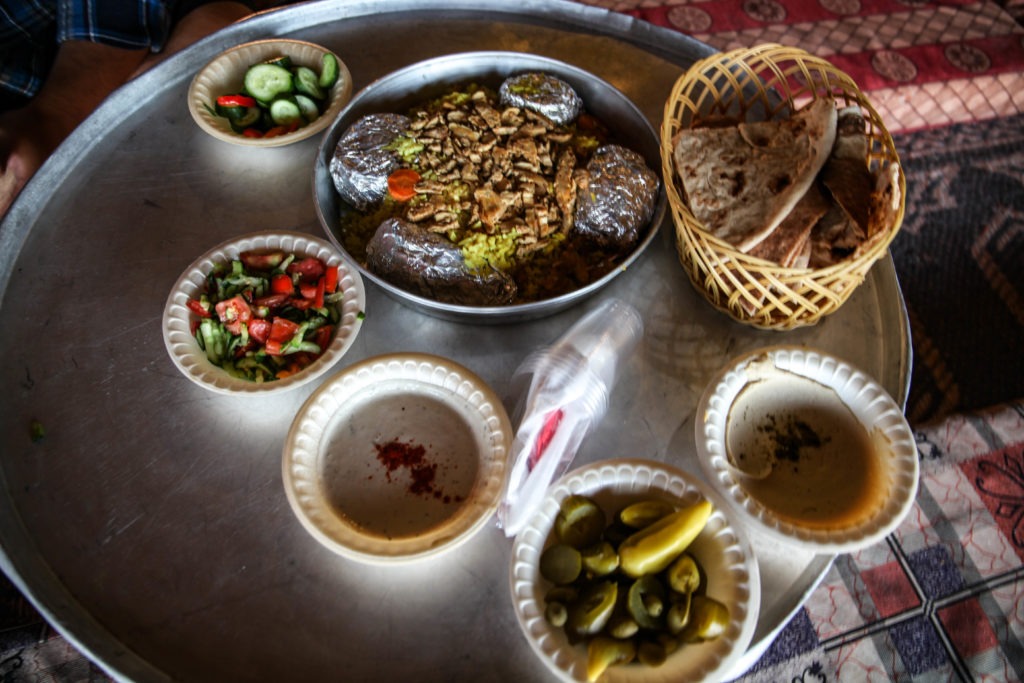
While spending the entire day at the Dead Sea, we all showered and prepared to spend the night in the desert with a local nomadic tribe called the Bedouins. Before we headed to the desert, we only packed things for the night and the next morning. Afterward, when we got to our destination, we looked and it was as if we were heading to a sleepaway camp. There were at least 10 different tents at the camp, and we were immediately told to head to a tent with a local Bedouin. We were offered sweet and delicious coffee from the Bedouins, and it was a little bitter and had a nice bold flavor. A bedouin then talked about his culture, education, lifestyle, and history, and it was fascinating to learn about a nomadic tribe that had been around for a long period of time. We then relaxed for a little bit until dawn and had the most delicious meal that looked almost Ethiopian; the dish was a big platter with chicken breast and thighs, baked potatoes, veggies, pita bread, hummus, and some jasmine rice. Everything about the dish was amazing, colorful, and incredibly tasty. Later on, at night, we were went stargazing. We headed outside of the camp to the desert, and Irad showed us a spot where we might get a good glimpse of the stars, and of course, we had flashlights to see what was ahead and in case we saw wild animals and snakes. After walking for ten minutes, we found a spot, and we all sat down. While I was taking pictures of the stars, Irad was giving us some astrology lessons of where to find certain stars. We even saw the sun setting in the desert and even saw the red-blood moon rising. Gazing at the moonrise, we then sat on the sand quietly and looked at the skies above us. It was mesmerizing, beautiful, and magnificent to see the stars above. It was an incredible experience until someone farted loudly. We all laughed and decided to head back to the camp and have s’mores.

Day 9 — Tel Aviv, Israel
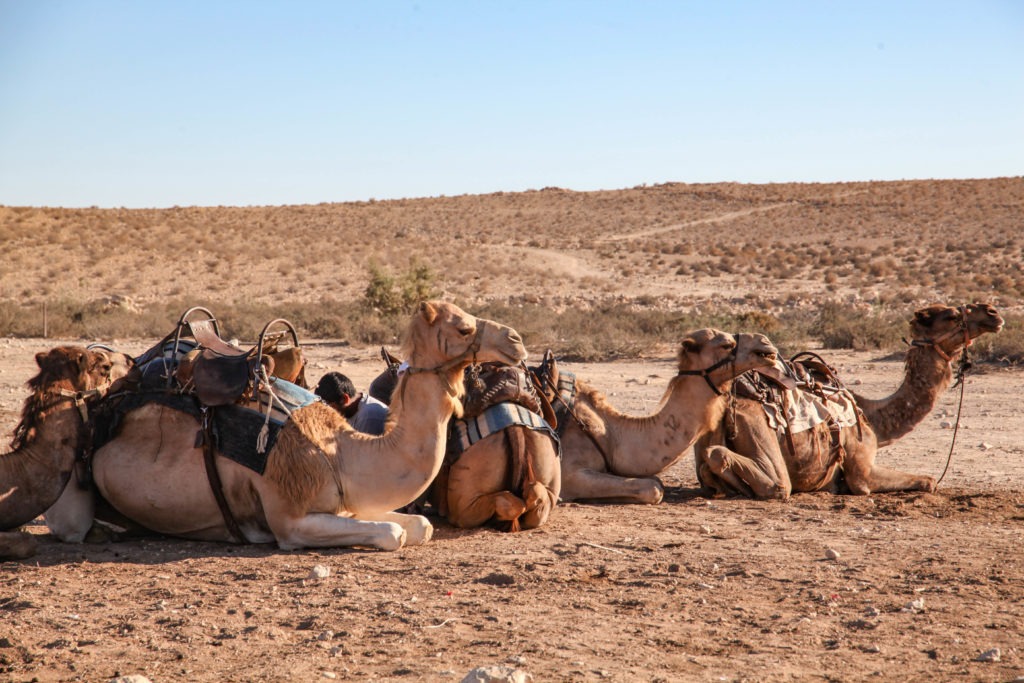
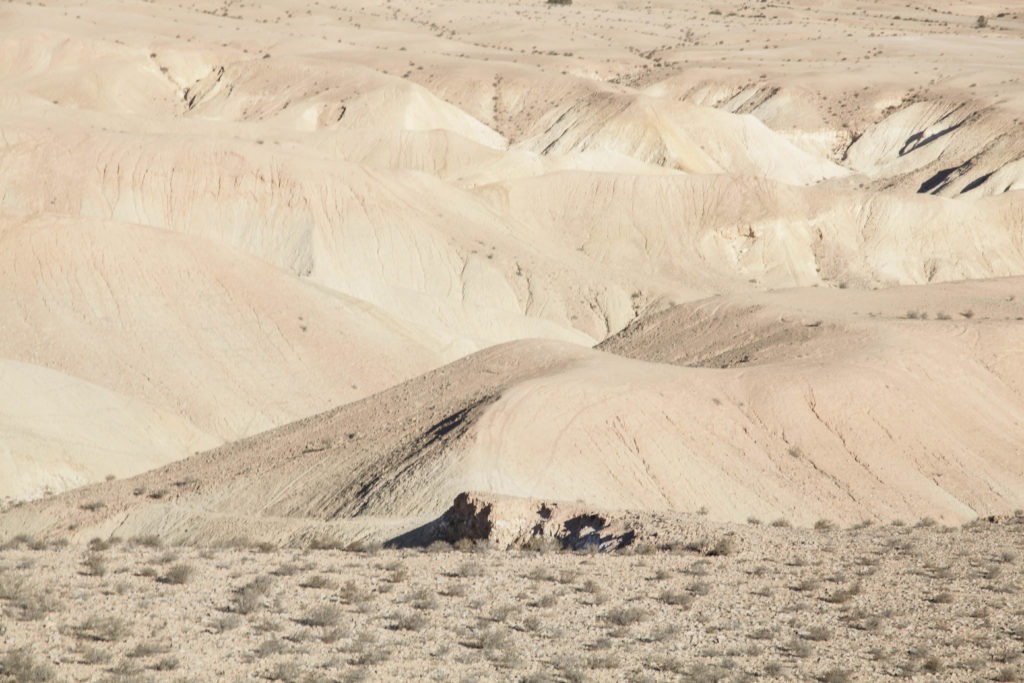
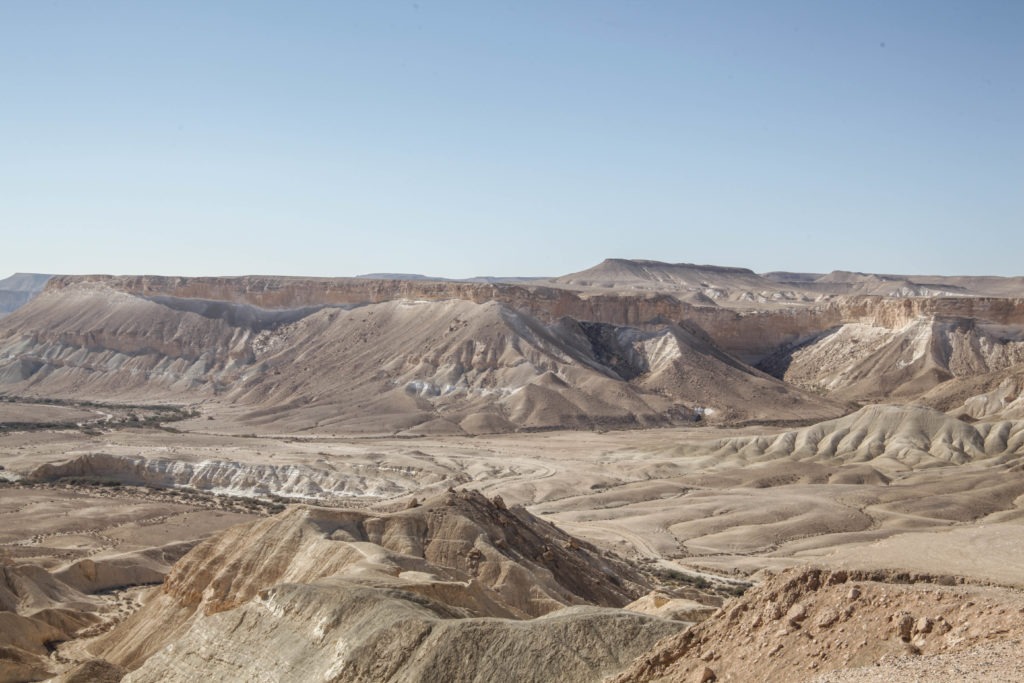
The next morning, I had a slight backache from the mattress that the Bedouins provided for us. However, after a light breakfast, a hot shower, and a little stretch, I was fine. I went camelback riding, which is a tradition in Birthright. After getting on our camels, the whole group rode for about thirty minutes through the desert plains. It was a nice sightseeing ride. The plains of the desert were isolated, peaceful, hot, and breathtaking.

At 10:30 a.m., we got back on our bus and headed to Tel Aviv once again. But before we headed back to Jerusalem, we had to say goodbye to our wonderful Israeli friends, who had to return to their duties in the army. After a heartbroken goodbye that lasted an hour, we continued on to our destination. We arrived in Jerusalem and stopped to stretch our legs and start our activities. At 1:00 p.m., we got in, and we were given three different activities to choose from: graffiti walk tour, dance class, or learning about Israeli agriculture.
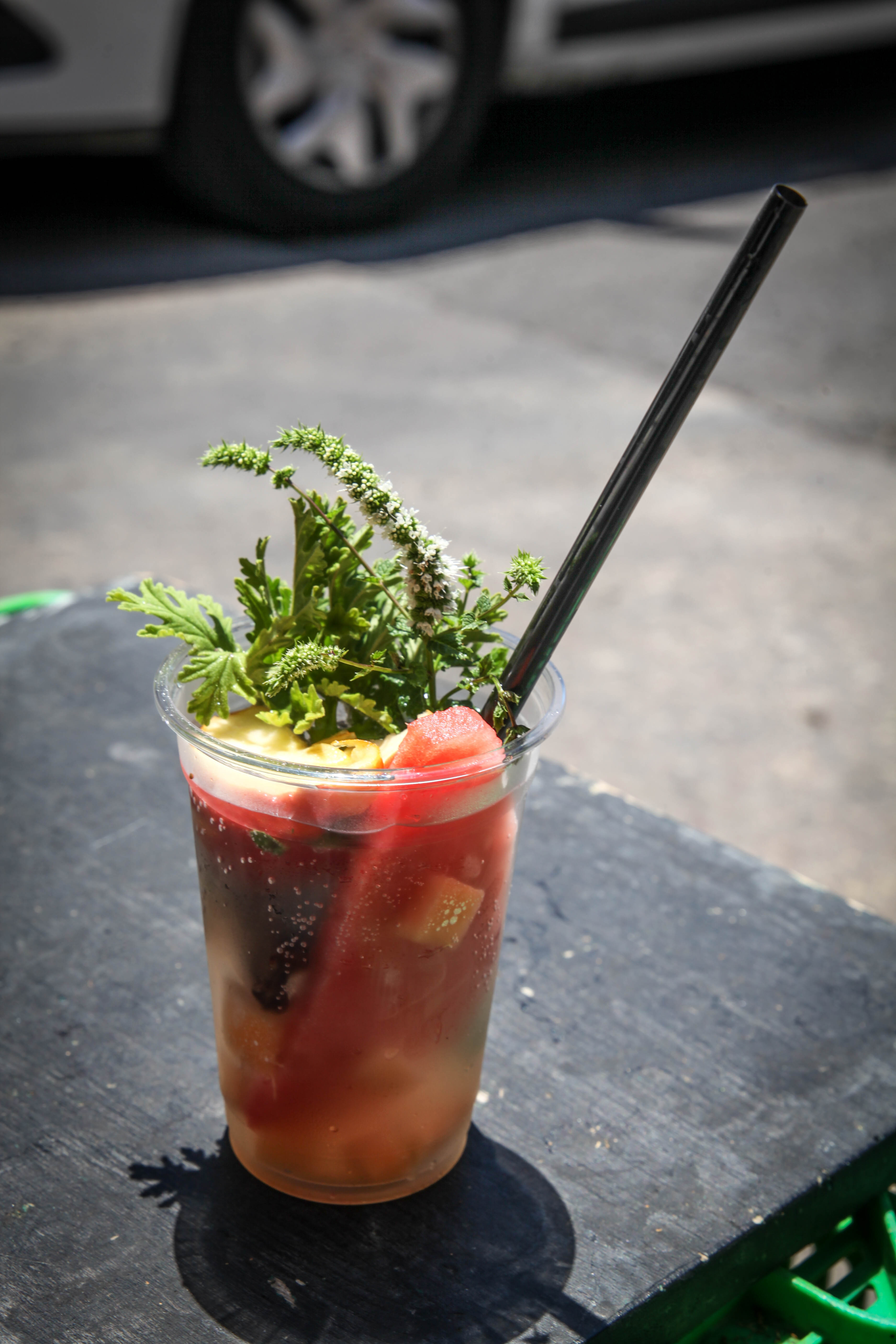
Before our activities, we were paired in groups to go on a scavenger hunt where Irad handed us smartphones that pointed to where we were supposed to go on our scavenger hunt. As my group walked for 30 minutes in the city, our first stop was a local cafe, and this place was known for its delicious and savory bourekas. Then we walked into a spice shop. It had hundreds of different spices from different countries, and I picked up some spices for my dad, who enjoys cooking. Finally, we went to this juice bar, and the server gave us this cool, sweet, refreshing fruit juice that was so unbelievably good that I wanted a second cup of it. Then we met everyone else by a commercial building to start our selective activities.
When I selected the graffiti walk tour, the group that I was with were to meet the tour guide on the south side of Tel-Aviv. As we met our tour guide, we walked around vicious neighborhoods and street alleys that had some unique graffiti and murals to observe. By the time the tour was over, we had met everyone else, got back on the bus, and headed to our hotel, which was almost as wonderful as the Ritz Carlton in Philadelphia. As we got to our rooms, I was paired with Brian and Jacob Chalif. Everyone was relaxing and taking naps, and we were excited to go out one last time before heading home the next morning.
Before we left, Irad told us that we were going to a club and everyone was excited about it. At night, we were all dressed and ready to go to the club. When we got to the club, the bouncer was kind enough to allow us to enter for half the price since we were sponsored by Birthright and it was our last night. The place was mostly outside and the bar was small, but that didn’t stop us from having fun. We danced, drank, had some laughs, and had a great time.
Day 10 (Last Day)-Tel Aviv, Israel
It was 8:00 a.m., and we were ready to leave the hotel. Some people were still sleepy when we got onto our bus. Before we headed to the airport, Irad took us to the Negev, where David Ben Gurion and his wife are laid to rest. The gravesite is the most respected and peaceful sanctuary in Israel, and around the graves is a magnificent and beautiful mountain and desert landscape. We then stopped at a certain point where we had to say goodbye to half of our groups, to those who extended their stay in Israel. Some of us cried and gave hugs and left for the airport. Jackie, Irad and I arrived at the airport, said goodbye to Isabel, and headed home.
The flight was long, and I didn’t get enough sleep. But staying awake during the flight home made me think. How would I tell a story about this to my friends, family, and the people who liked to listen to my stories?
Even though the trip was last year, narrowing down this story took longer than expected. Everything about birthright was a new experience for me. Capturing memorable moments was incredible and breathtaking. I met a lot of new people and friends during the trip. Every moment was special. I think about it now and about everything up to this point. And I learn something new about myself, who I am, where I’m from, and what is my life’s journey.
